
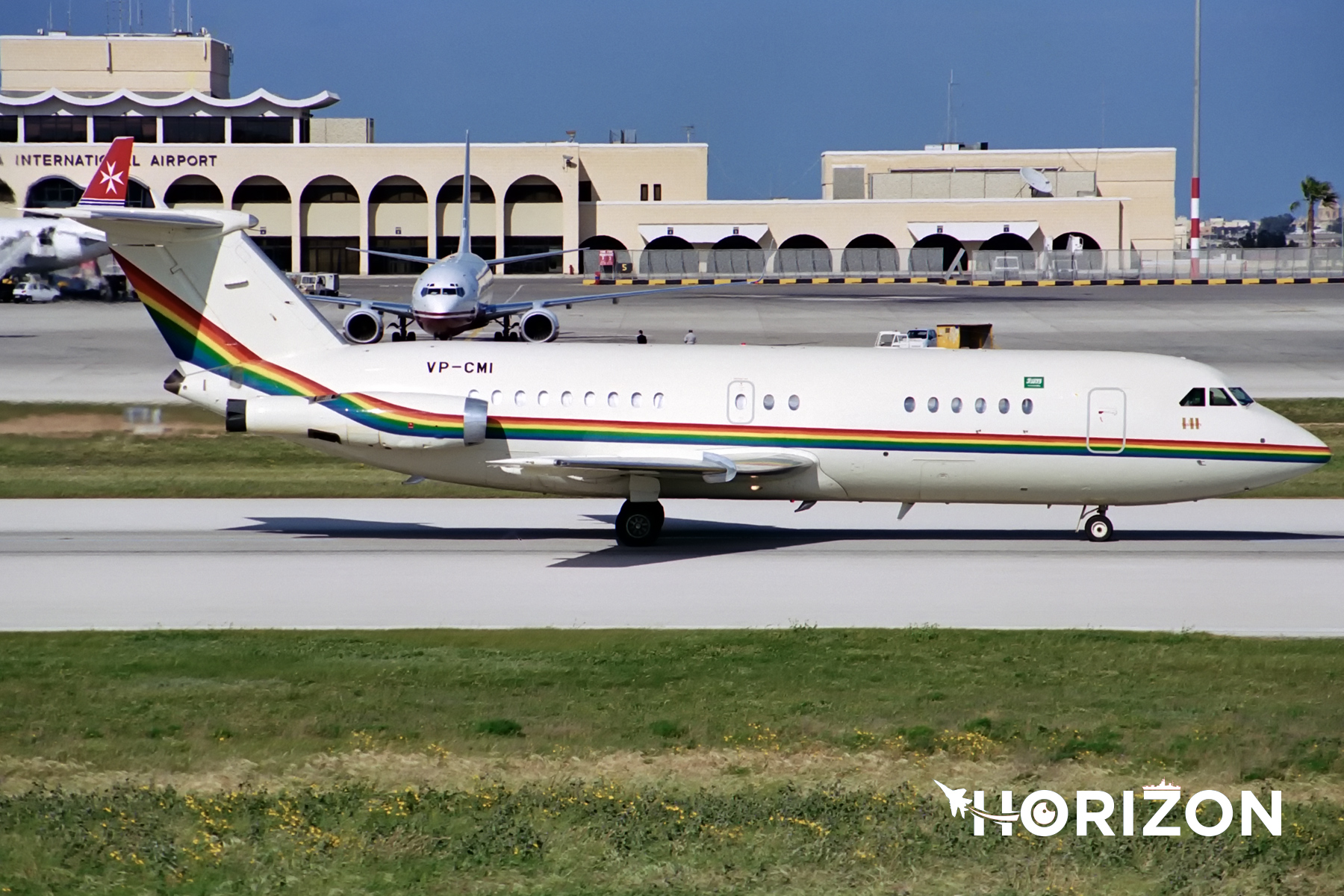
The BAC 1-11 was a short to medium range jet airliner designed and developed by the British Aircraft Corporation. Production began in the early 1960s and continued into the late 1980s. It was the first jetliner to be equipped with an Auxiliary Power Unit, a feature that made it particularly attractive to European and North American operators looking to expand services to airports with limited ground support facilities. The original variant could accommodate up to 89 passengers and had an operating range of approximately 3,000 kilometres, while the stretched version increased capacity to 119 passengers with a range of about 2,750 kilometres. Production also extended to Romania, where nine aircraft were built under licence under the ROMBAC name, the final example being delivered in early 1993.
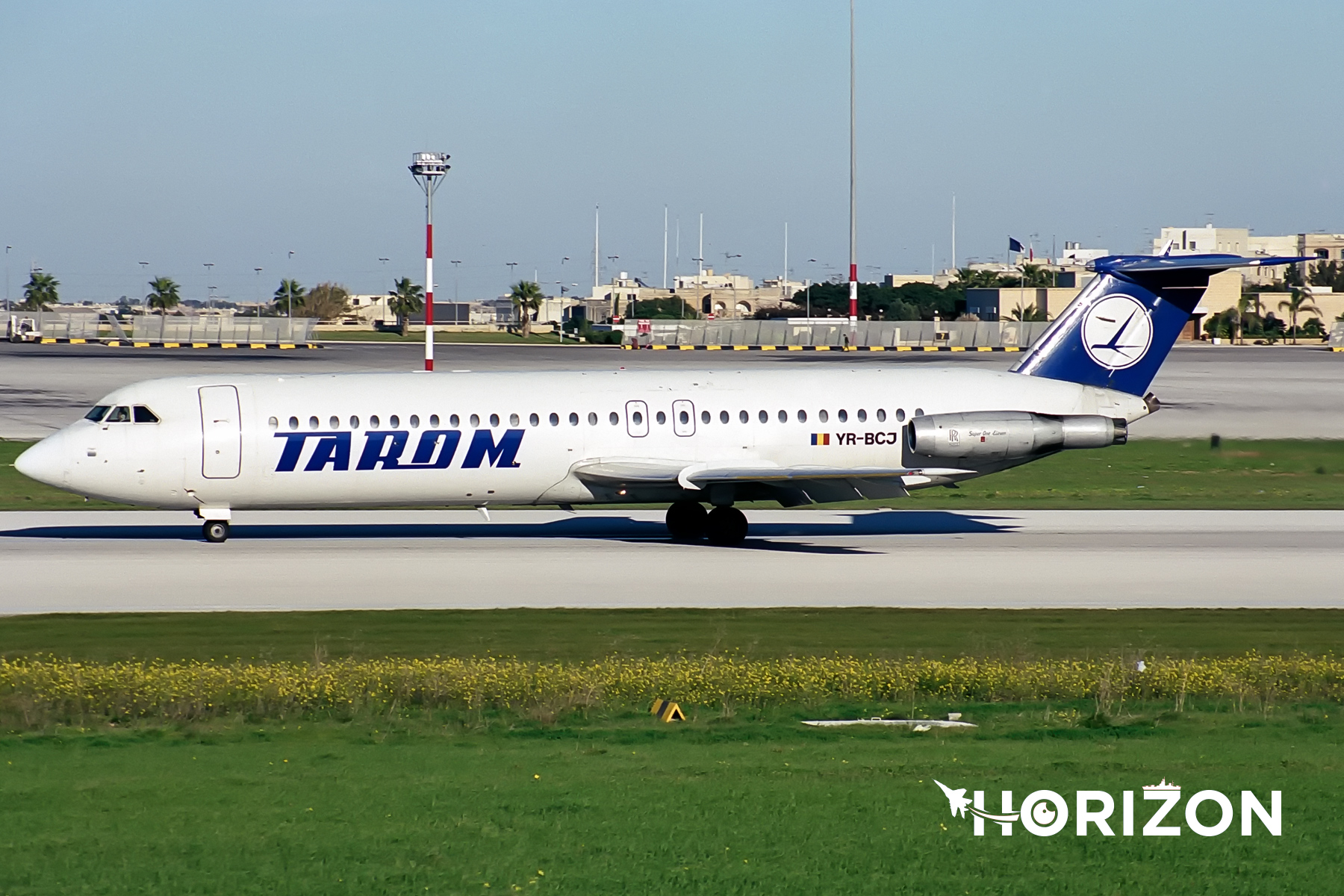
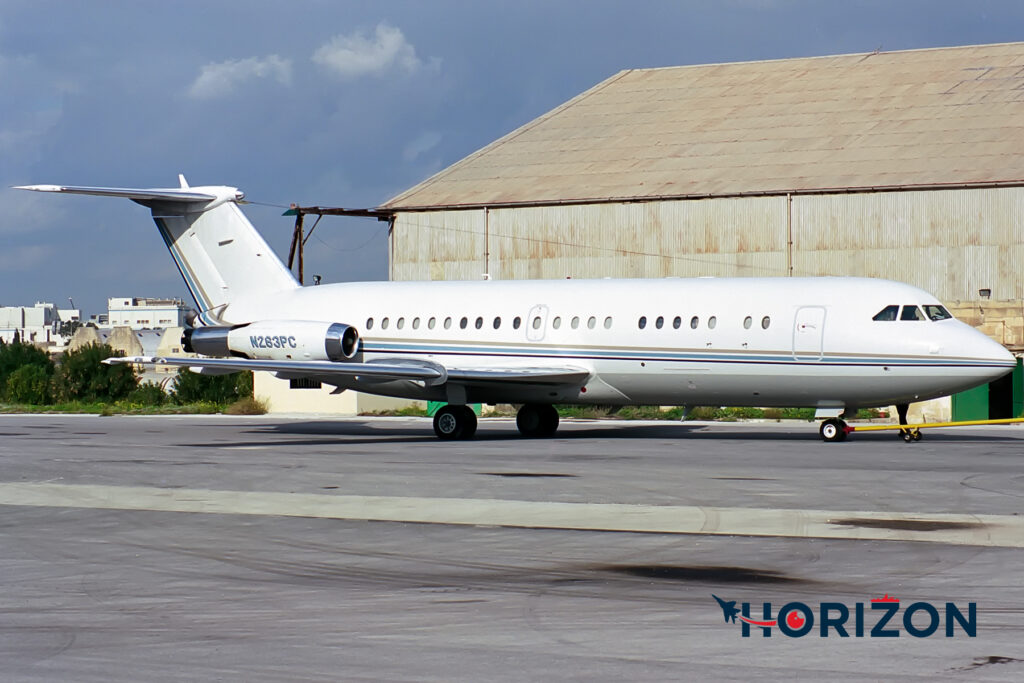
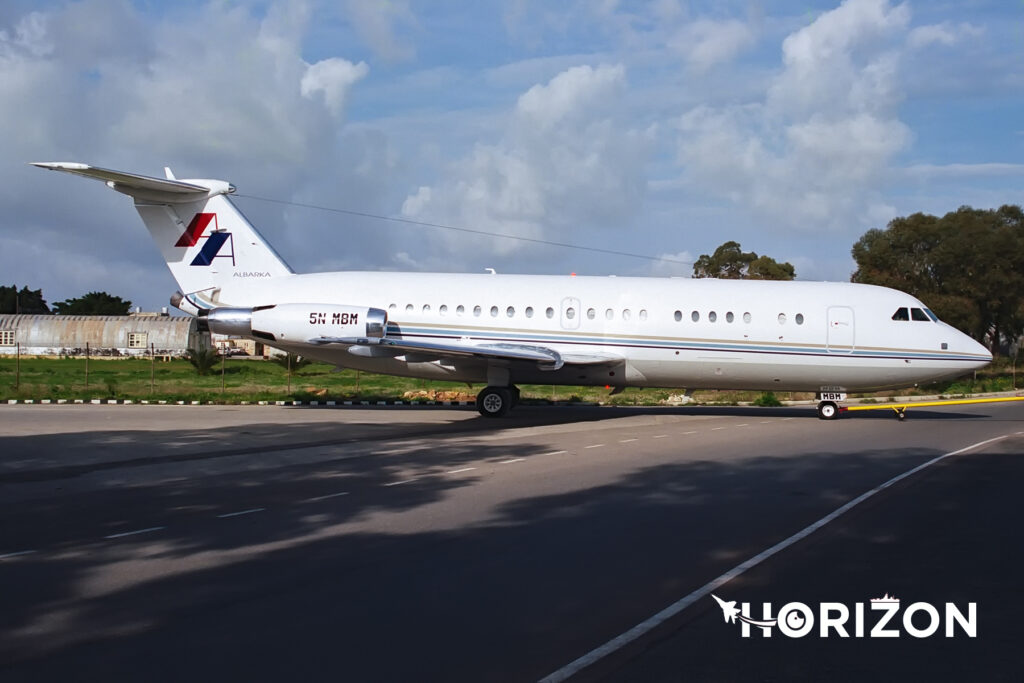
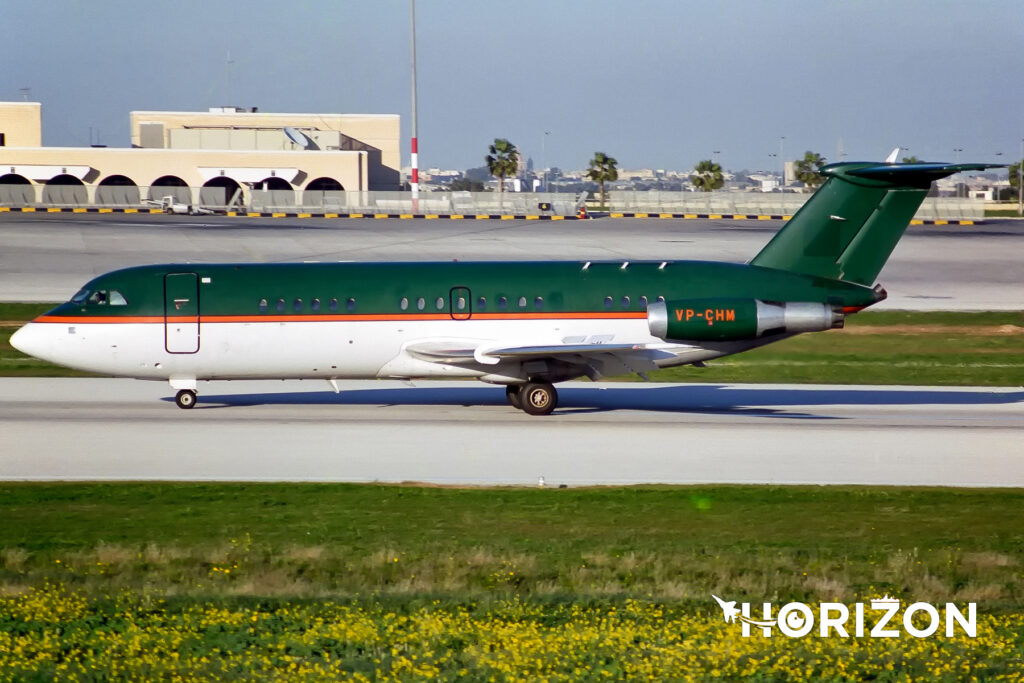
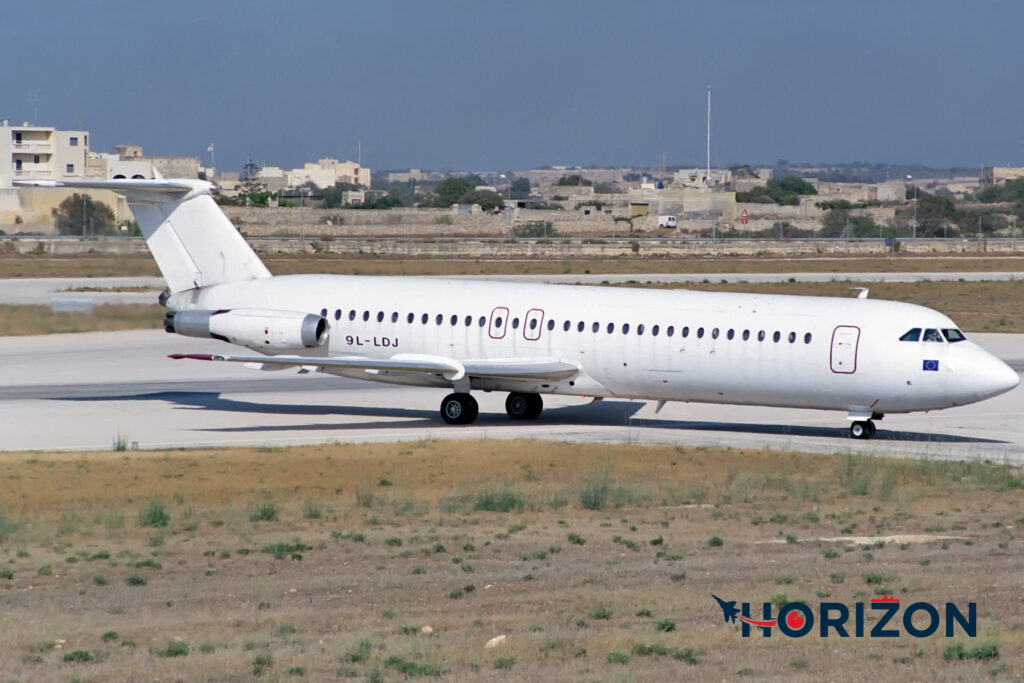
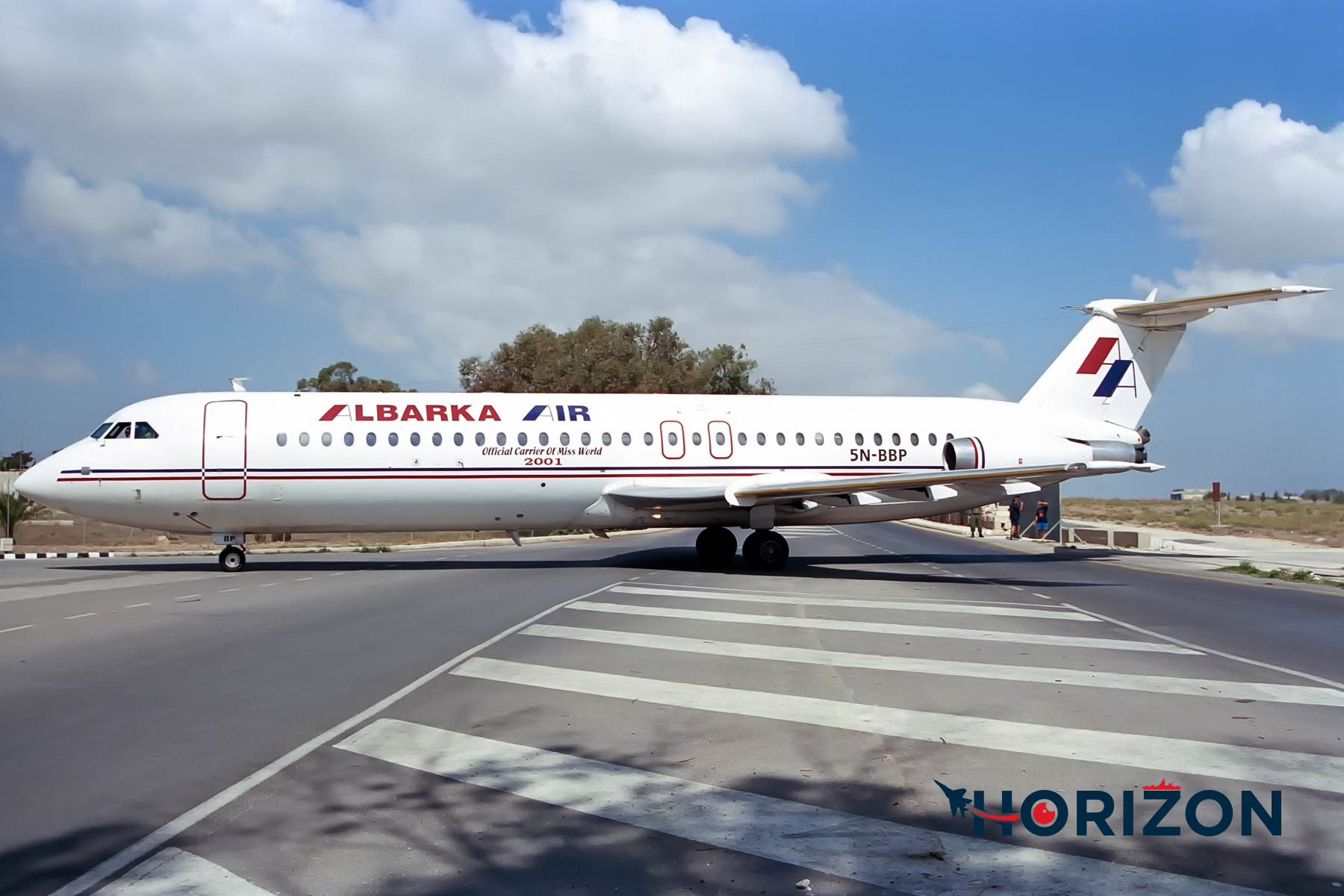
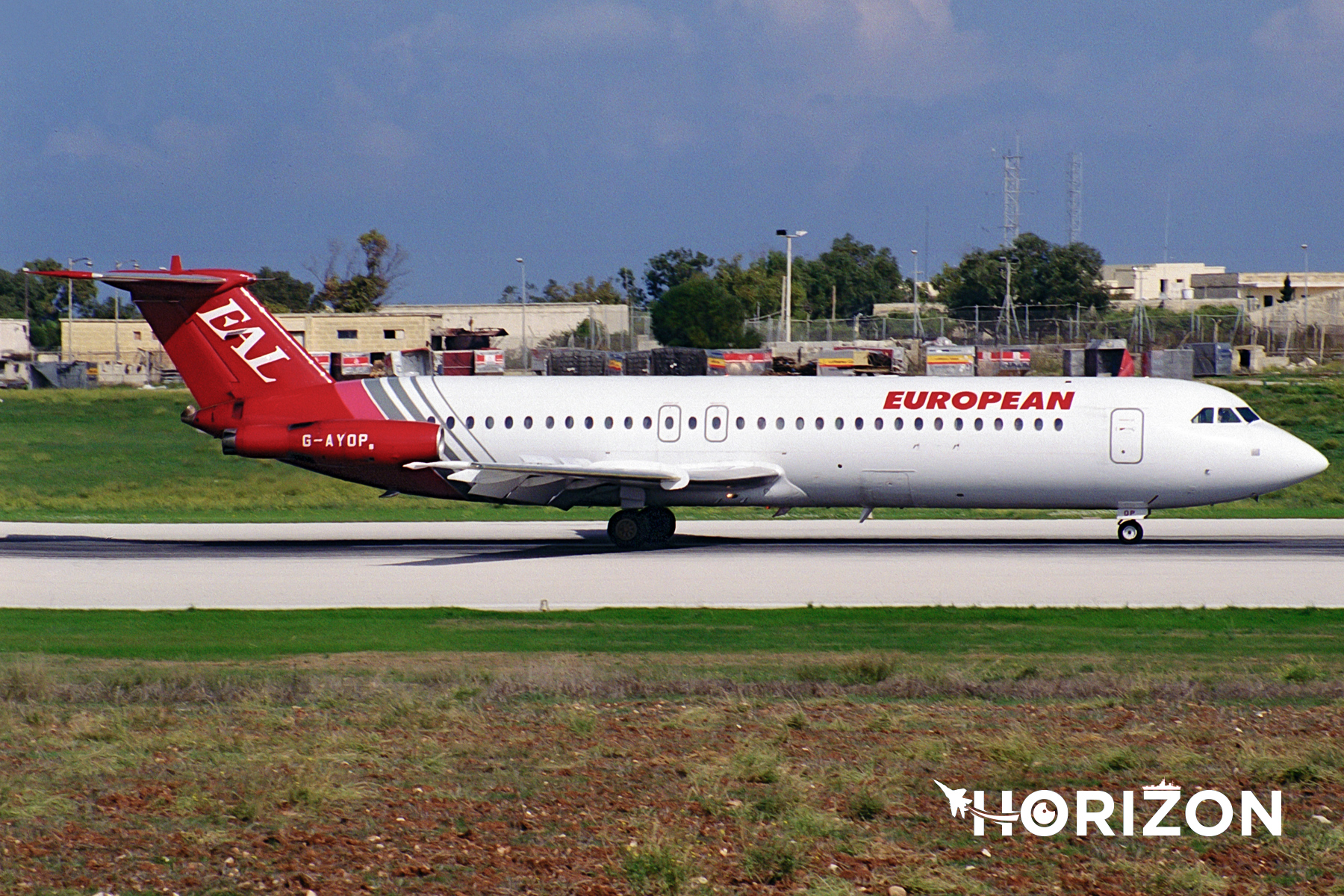
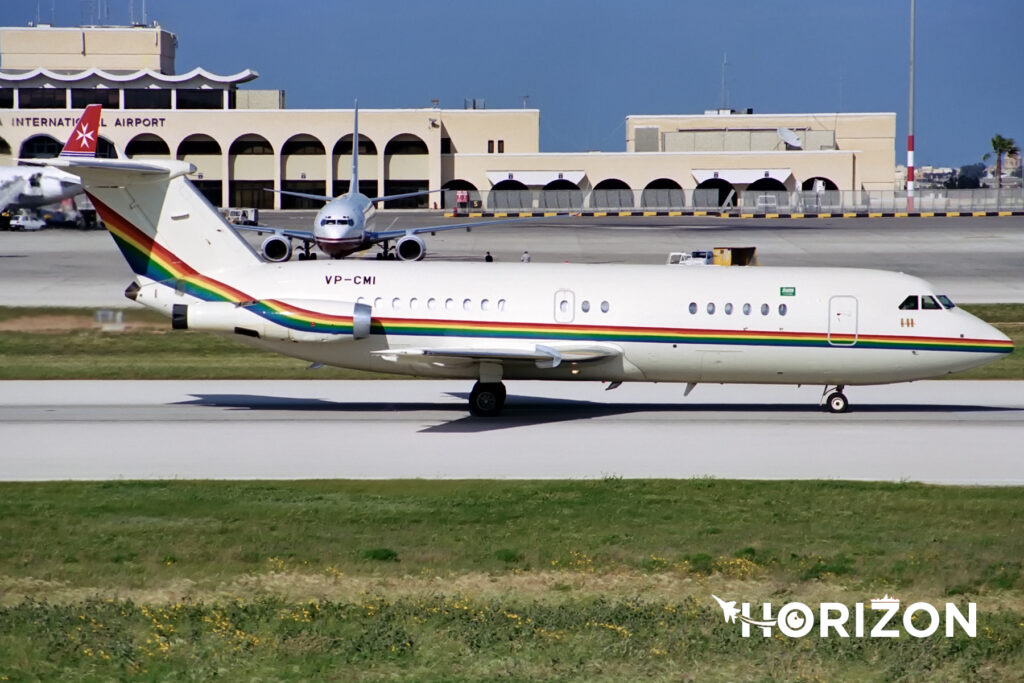
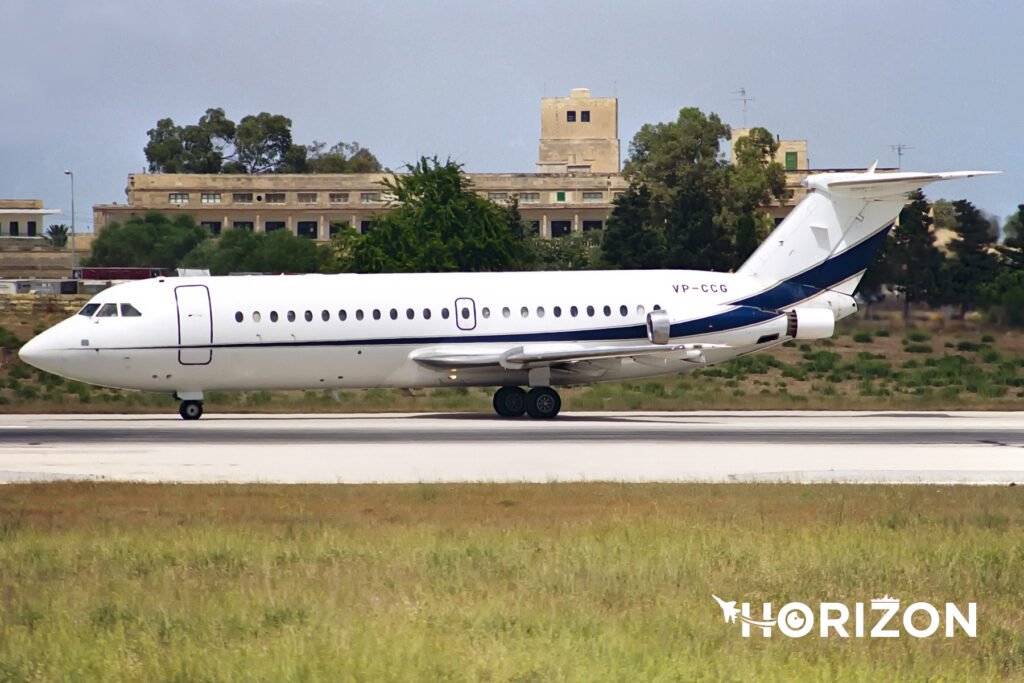
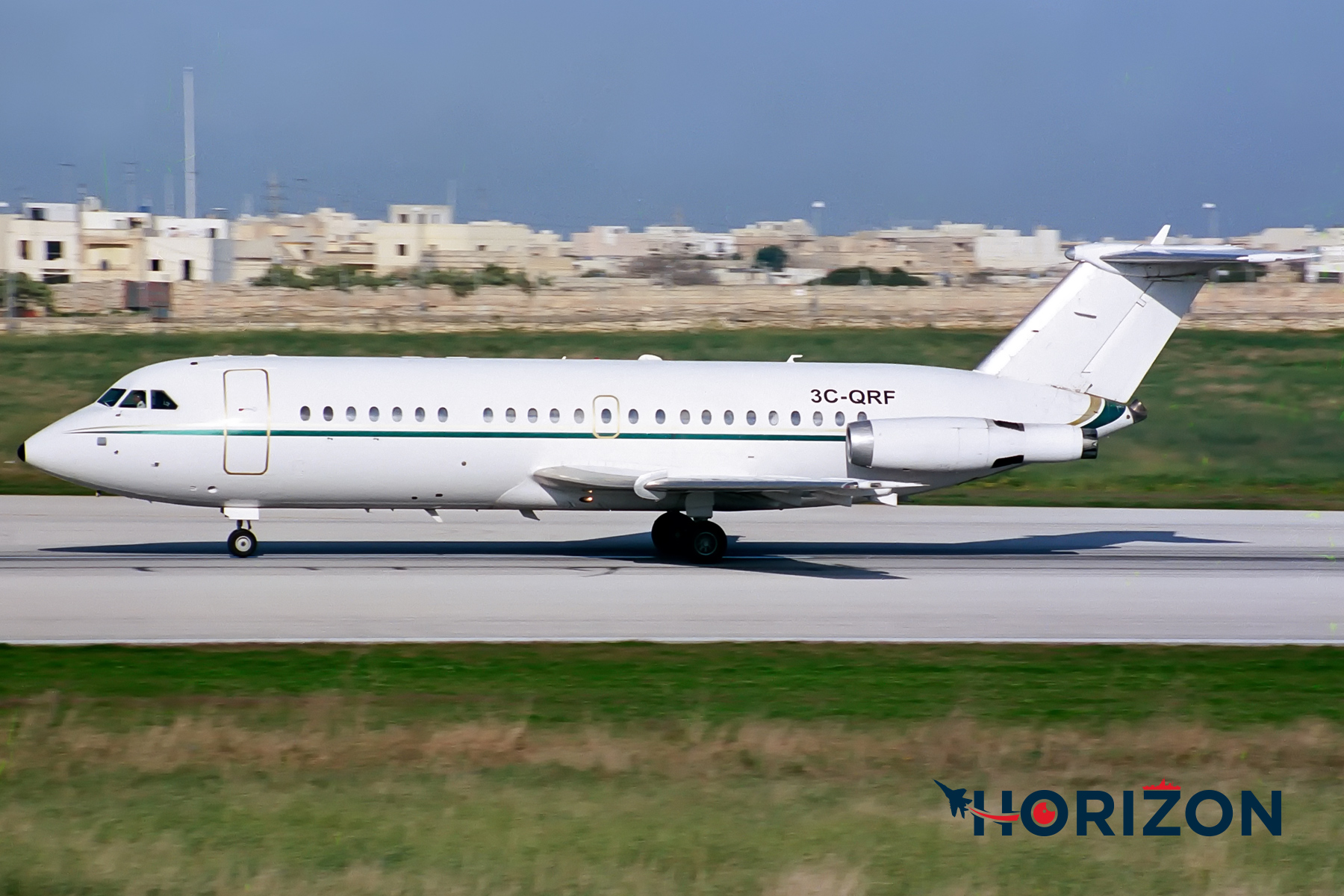
Owing to the reliability of the airframe, many operators continued to fly ageing BAC 1-11s well into the new millennium. Several aircraft still in service at the time visited Malta for various reasons, including technical stops, scheduled passenger services, or maintenance at one of the island’s maintenance companies in Safi. All images will cover most of the One-Elevens that operated in or visited Malta during the new millennium.
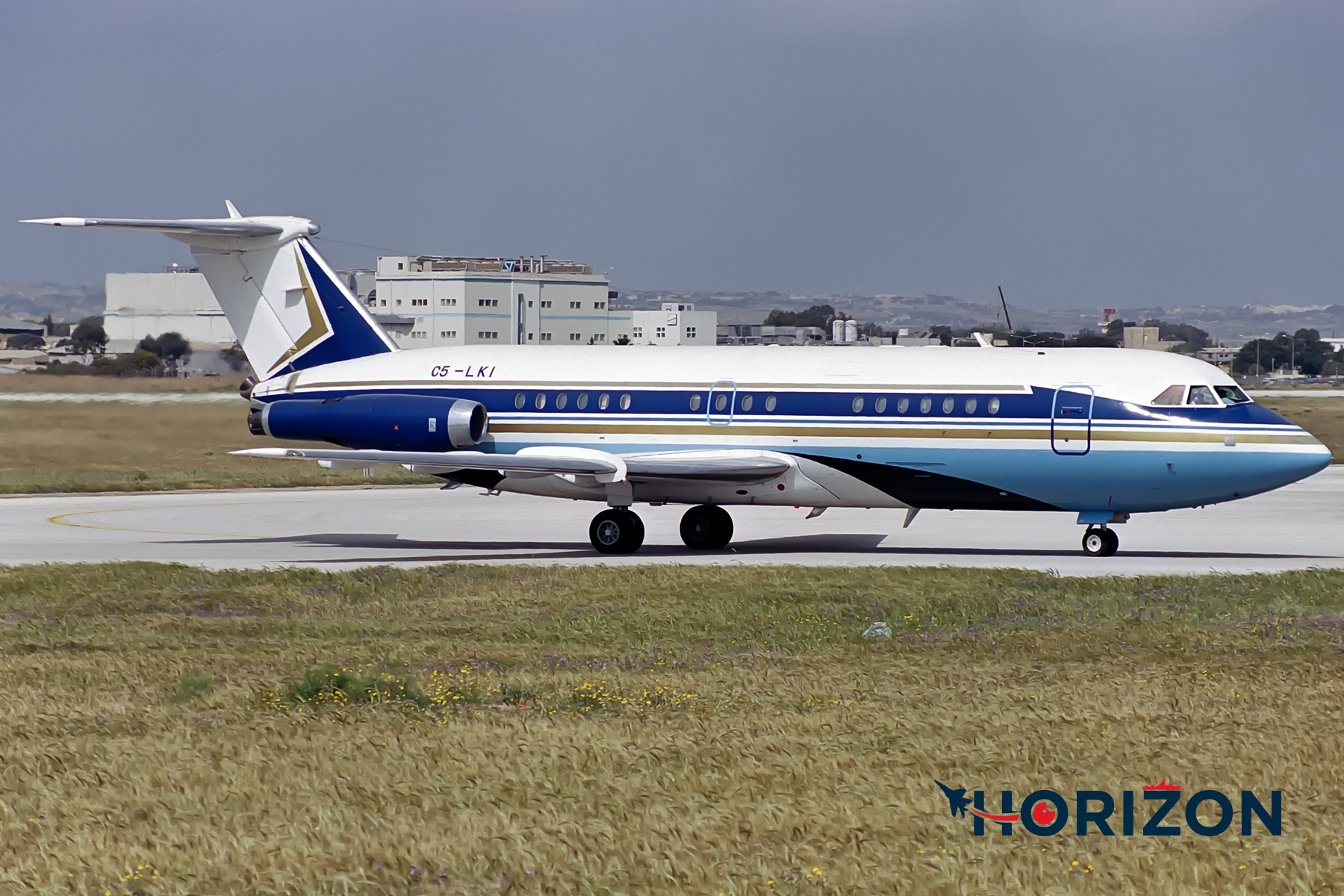
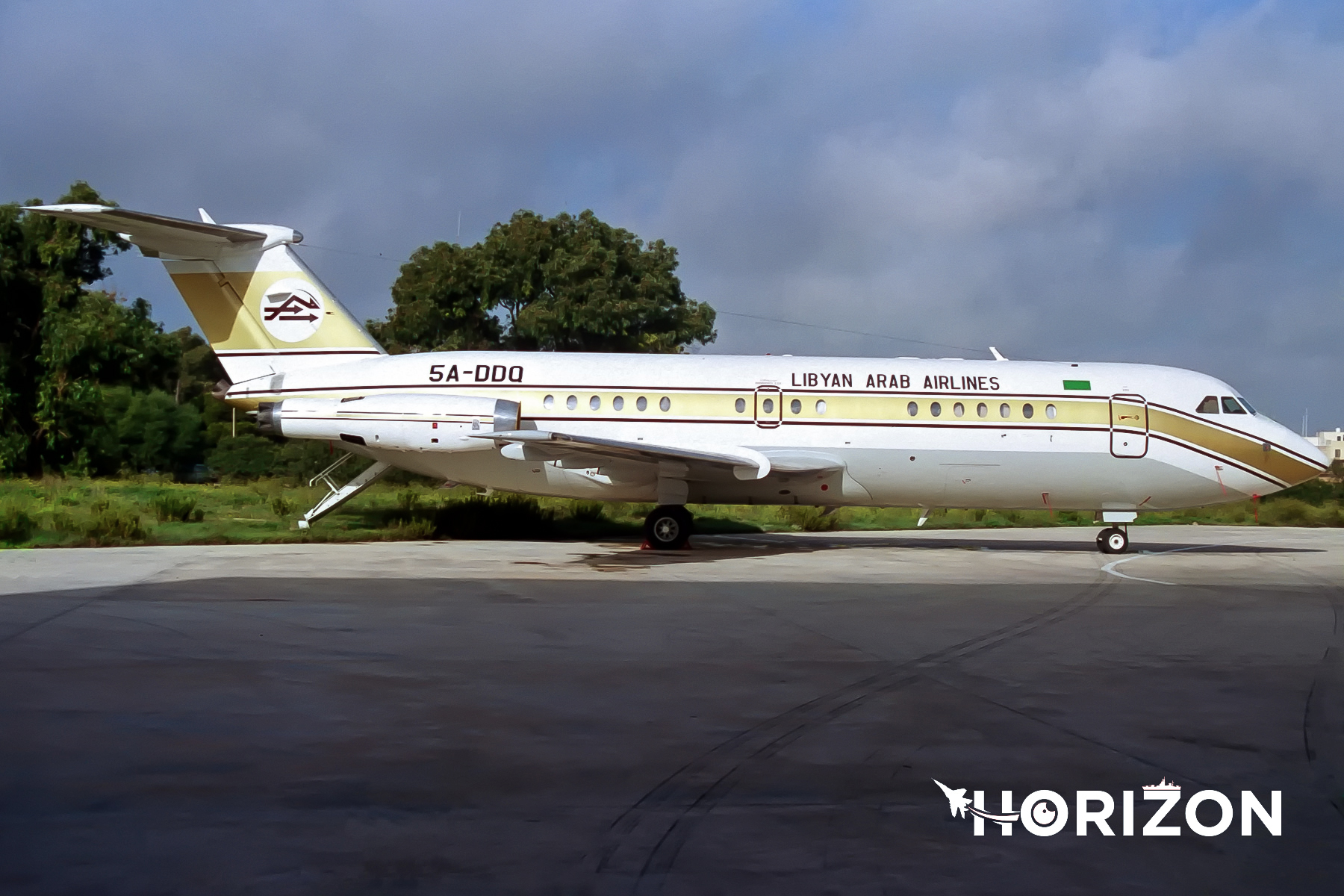
One of the most interesting, if not the most interesting, One-Elevens to appear in Malta was 5A-DDQ painted in full Libyan Arab Airlines colours. Despite wearing LAA livery, the airframe was in fact configured as an executive business jet. It was first noted in Malta as 3C-LKI in February 1999, later re-registered as C5-LKI, and in August of 2003, it received the Libyan registration 5A-DDQ.
The last BAC 1-11 to take to the skies was N164W, a Lockheed Martin F-35 testbed owned and operated by Northrop Grumman, which touched down for the very last time on the 7th May 2019, thus making history as the last ever flight of the type.